About This Course
The importance of software in systems and technologies has drastically increased in recent years (Artificial Intelligence, Internet of Things, Big Data, social networks, smartphones, web, etc.) and software now has large-scale impacts on our society and on our environment.
The goal of this course is to guide you in acquiring concrete strategies for a responsible approach to software design and development. We will see how to integrate ethical concerns in the whole software engineering process, and how to approach software design and development in terms of societal needs while minimizing potential harm.
Course Staff
Cécile Hardebolle
Computer Scientist and Electrical Engineer by background, Cécile works at the Center for Digital Education of EPFL where she accompanies teachers in the introduction of ethical skills into technical courses. She advocates for practice-oriented, experiential approaches to learning.
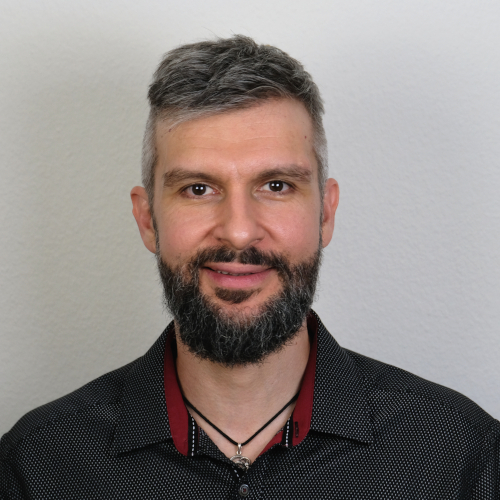
Florian Dufour
Do you know swissknificism or embodied interdisciplinarity? If so, you should know Florian, Ph.D. in Psychology (Unige) who navigates for more than a decade through, and in between, fields of methodology, pedagogy, psychology, data science, applied science, innovation, economy/business, technology and ethics (large Panini/Pokemon collection). The Responsible Software course stimulates all of this!
Noa Trojman
Noa is a Life Science Engineering student at EPFL. Committed to drive innovation in healthcare, she is firmly convinced that "science without conscience is but the ruin of soul". Therefore, she believes that future engineers should be mindful of the ethical implications of their work to ensure that scientific progress positively benefits society.
Rose Ndanga Nya
Rose is a financial engineering student with a bachelor's in communication systems. She felt that there was a lack of courses on ethics back in her bachelor studies, so this course felt like the missing piece to ensure developers (you) create ethical, safe, and fair technology.
Athina Papageorgiou Koufidou
Athina has a Bachelor's in Computer Science and a BA in linguistics. Fascinated by the intersections of engineering with the humanities, she is hoping to prevent the robot apocalypse by encouraging the ethical and responsible development of technology.
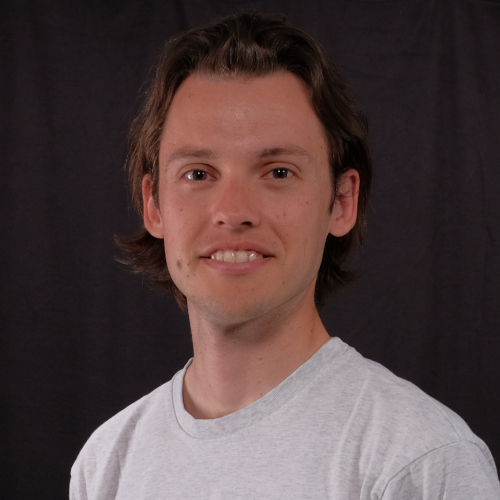
Maxime Lelièvre
Maxime is a Master student in Robotics and Data Science with a particular interest in Educational Technologies. The topics of the MOOC as well as its flipped-classroom format really sparked his interest as a future ML engineer passionate about Education.
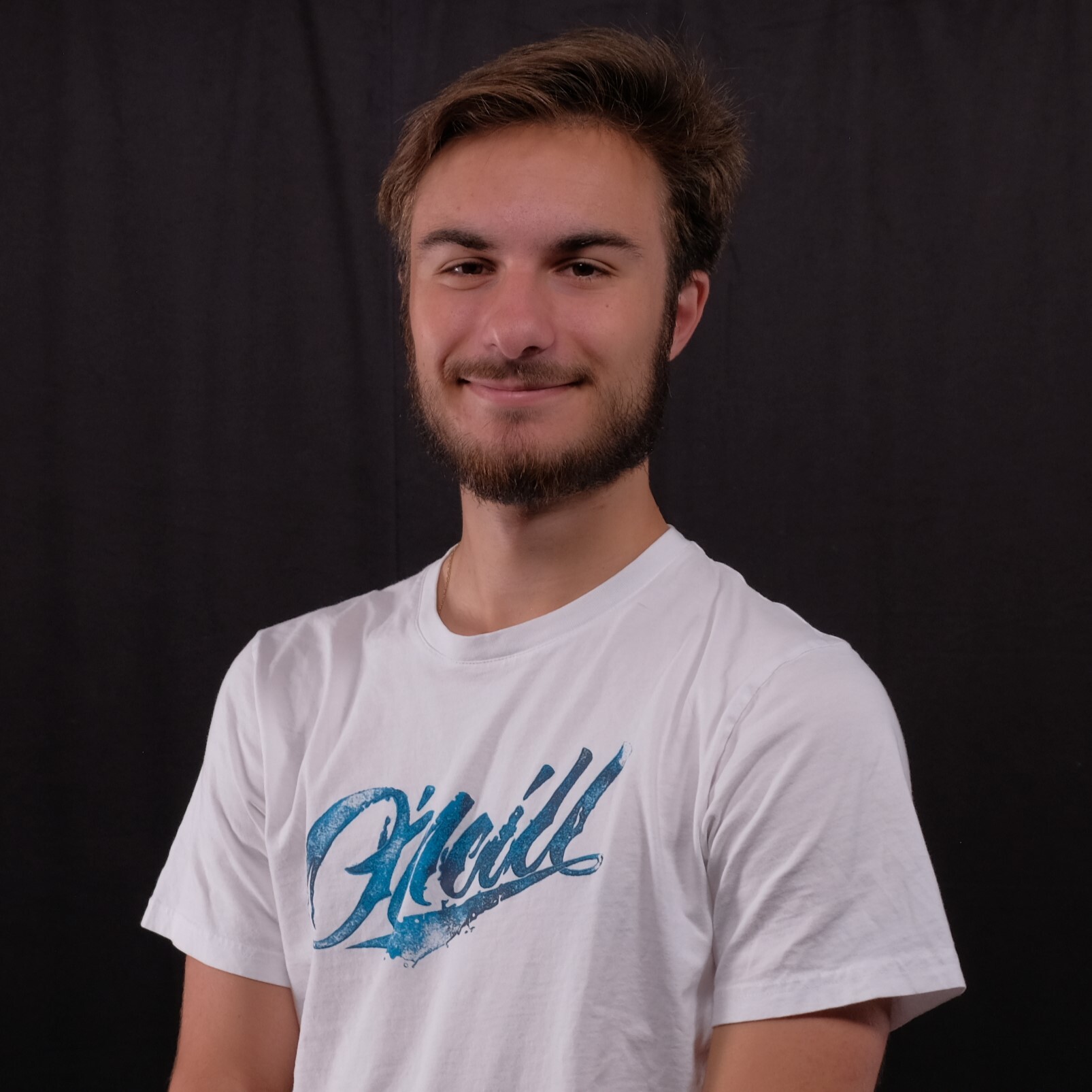
Eugène Bergeron
Eugène is a Master's student in Data Science, engaged in several research projects and student associations. Committed to ethics and morality in our daily lives, this course was the perfect opportunity to tackle the subject of “how to be an ethical engineer” with a practical approach.
Mattéo Berthet
Mattéo is a Master student in Robotics and Data Science with a strong interest in embedded software. He is passionate about working on innovative team projects and has experience with autonomous cars and self-landing rockets.